
KETAMINE-ASSISTED PSYCHOTHERAPY (KAP)
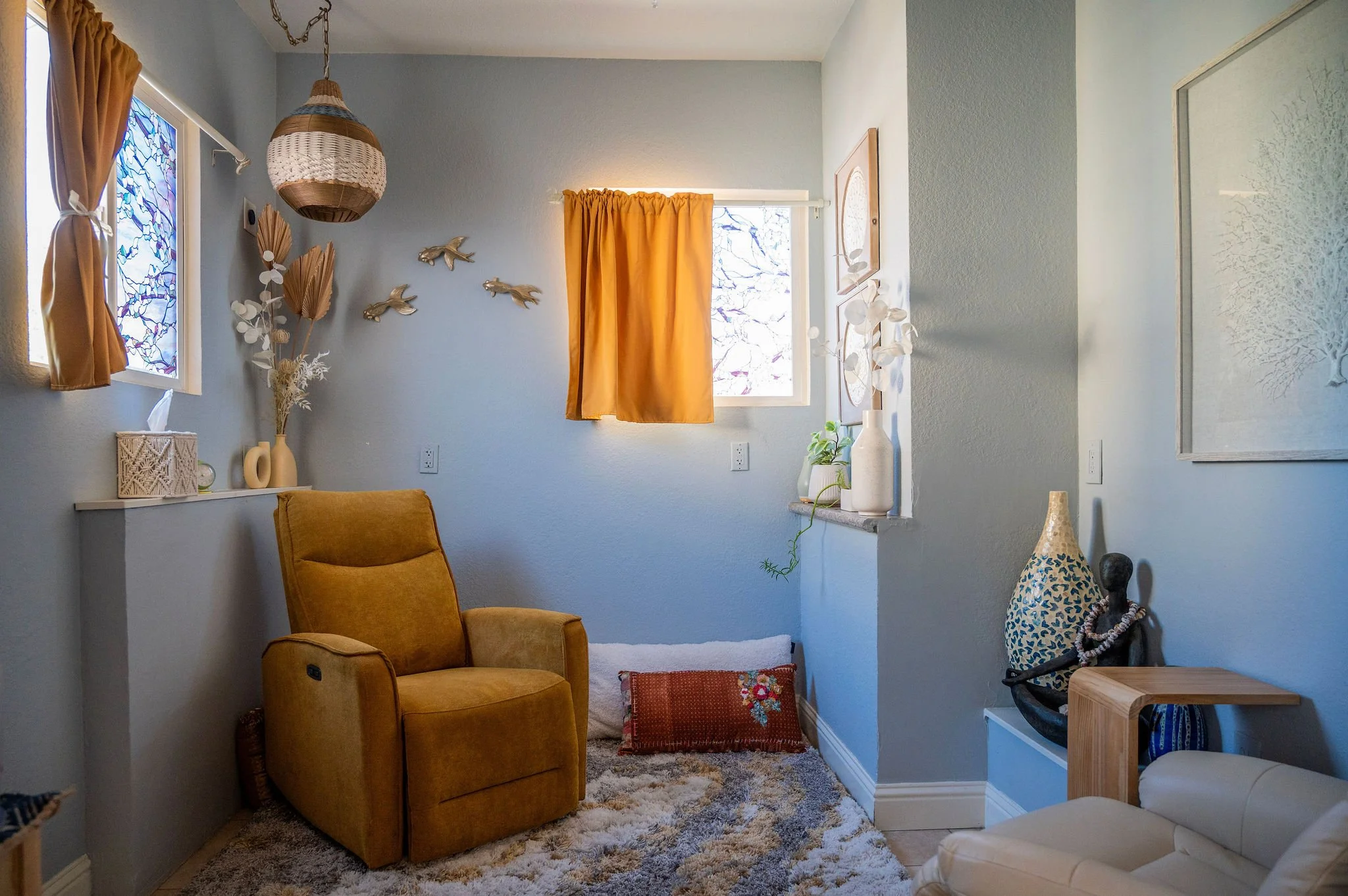
Offering virtual and in-person sessions in Oakland

Ketamine assisted psychotherapy is a promising novel therapy for relieving symptoms from depression, anxiety, PTSD, as well as childhood developmental trauma. Research from top universities show entering into an “altered-state of consciousness” can help:
Relieve depressed/anxious thoughts, feelings, behaviors
Aid in forgiveness, grief & loss, processing past traumas
Heal from inherited family trauma
Grow self-love, self-compassion
Foster creativity, spirituality, purpose and drive
Clients say, “it’s as if the cobwebs are cleared” and report:
less fear, chronic stress/fatigue/pain
less addictive behaviorswith food, alcohol, cannabis, media
more meditation, yoga, exercise, healthy eating
taking risks in career, community, ending toxic relationships

KAP THERAPY TREATMENT PATH
Step One
Schedule KAP video consultation
Step Two
Medical evaluation with prescriber
Medical doctor approves lozenge prescription
Step Three
Initial psychotherapy with therapist
Meet for three Pre-KAP relational therapy session(s)
Step Four
Begin KAP Series with therapist
(In-Person in Oakland and Virtual options)
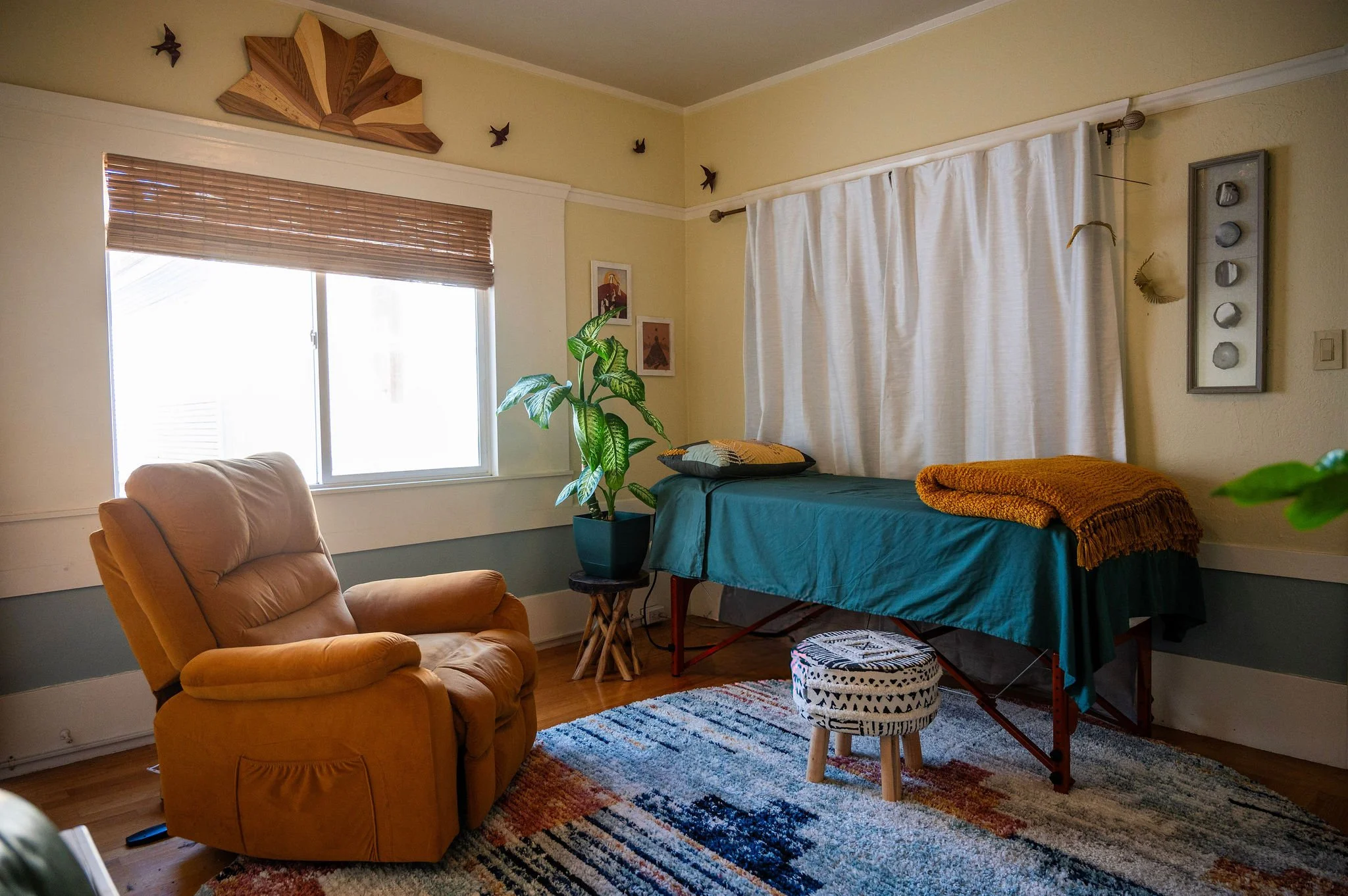
Begin with 3-6 ketamine treatment sessions (3 hours each). Expect to be lying in a relaxed position, wearing an eye mask, and having the therapist and the music as your therapy guides. A prep session the day before KAP session helps focus your intention, an integration session the day after treatment helps with consolidation.
Step Five
Maintenance Phase
KAP sessions are available as needed based on treatment plan to maintain outcomes.
Sliding Scale Fee accommodations available for those in financial need.
To learn more or begin treatment, Schedule a treatment consultation.
During my session, I felt an ephemeral opening up — my brain and heart were more available to the world and to relationships and work. I felt a sense of joy, something I had a very hard time experiencing in my daily life.
S-KAP APPROACH
At True Yang we have developed the Somatic KAP (S-KAP) approach, combining the novel use of a psychedelic, ketamine-assisted therapy, with a somatic, relational, attachment-centered technique. True Yang developed the Somatic KAP approach as an integrated model that combines ketamine assisted psychotherapy with nervous system healing, inter-generational trauma healing, attachment healing, and safe touch (which is always optional). We believe that ketamine therapy is most effective when it is done in the context of a therapy relationship rather than trying to “heal and deal”– taking the medicine at home alone.
“What was broken in relationship must be healed in relationship”
NERVOUS SYSTEM HEALING
Most people come to therapy because of an imbalance in relationship and connection–with themselves, with others, and the world. When we involve the body in therapy, we contact the nervous system-which is essentially, our inner child. This is where all the “triggering” happens, because it is where it all HAPPENED.
The “imprints” of relational trauma on the nervous system, live in the interaction between the brain and the nervous system with regard to safety and danger. Activation of the nervous system shows up in the body (tight chest, belly, throat), then creates a narrative (ie “I don’t want to go”) and then a behavior, (ie isolating). This process can happen unconsciously in a person if the person is cut off from their body, numb, or just “in their head.” Without connection to the body/mind/heart they may just experience that they are anxious, or have the notion that they need to stay home and rest, or a narrative that they don’t have friends, or “no one loves them.” Cumulative processes lead to lingering depression and anxiety and can ripple out into addictive behaviors and general suffering.
Together, you and your therapist, will navigate an exploration of the “imprints” in your nervous system. Opportunities for learning, growing, and healing will be created.